
Confit de Canard
Photography Photography by Tim Clinch.
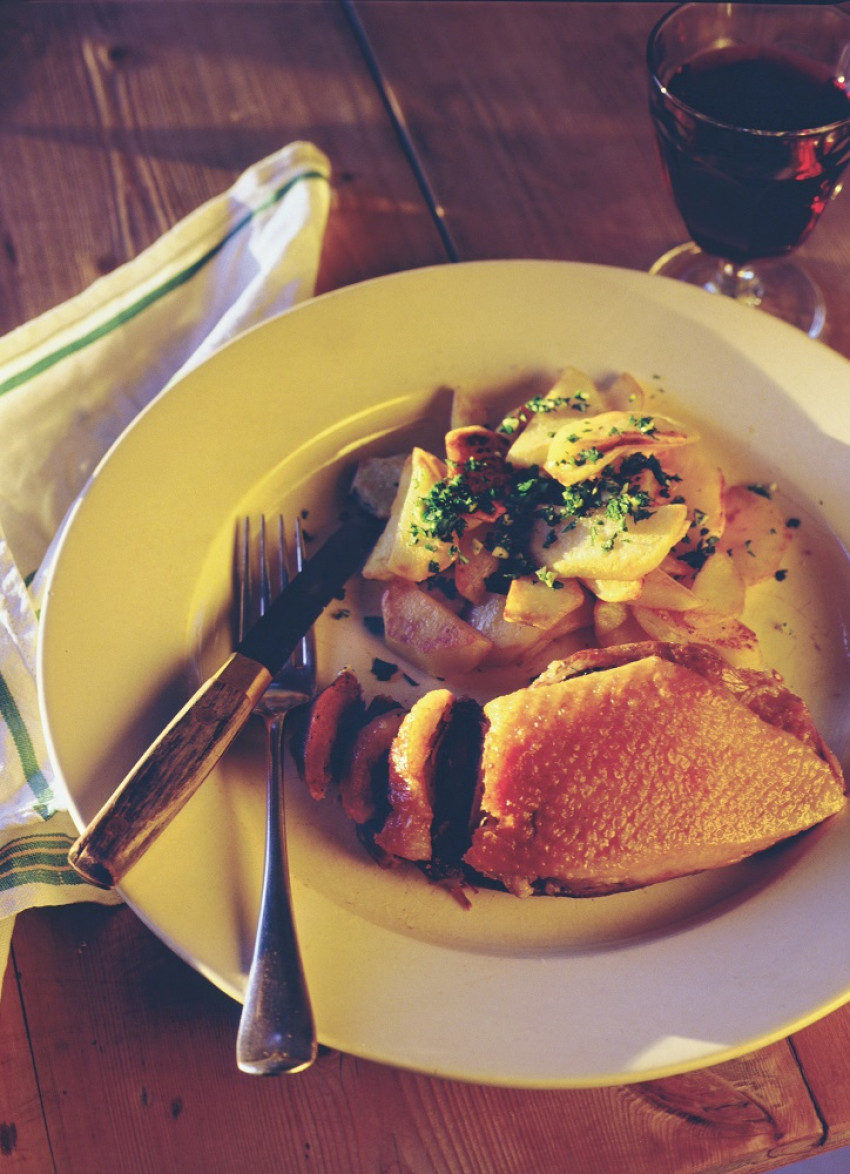

Although you might not have access to whole fatted ducks, you can create a silky textured piece of confit with good quality fowl pieces bought from a trusted butcher. Adjust the cooking time to reflect the size of the parts
Serves: 4
INGREDIENTS
2 legs and 2 breasts from one duck or 4 legs
4 heaped tablespoons coarse sea salt
700 grams (one large tin) or more of rendered duck fat
METHOD
Night before: Rub each piece of duck, both skin and meat side, with one generous tablespoon of salt. Place in a bowl skin side down. Cover and refrigerate overnight or for at least 12 hours.
Next day: Rub off all excess salt with a kitchen towel and pat dry. Place fat in a heavy stainless steel pot or enamelled cast iron pan and place over a medium high heat until the fat melts and starts to simmer.
Put the duck pieces into the fat, skin side down, and cook at a gentle simmer. I use a screened splatter shield over the top of the pan; do not cover with a tight lid. Cook for between 60-75 minutes, just until the leg meat starts to shrink away from the bone and the juices run clear when pierced with a large needle or skewer.
Carefully transfer the duck into a large glass jar or ceramic terrine with tongs. Pour the strained fat over the duck, covering completely. Let cool to room temperature, cover with a lid or plastic wrap then transfer to the refrigerator. The fat will solidify and preserve the duck. The confit is best when aged at least 2 weeks; it will keep easily 3-4 months at refrigerated temperatures.
To Serve: Remove the confit from the fridge, return to room temperature and scrape off most of the fat. Use a couple of spoons of this fat to cook thick sliced potatoes in a heavy skillet until golden and tender. When the potatoes are done, remove to a warm platter and keep uncovered in a warm oven. Place the duck pieces skin side down in the hot pan and cook until the skin is browned and crisp, turn over, lower the heat and continue to cook until the duck is hot all the way through.
In the meantime, chop fresh parsley and garlic together to create a persillade. Just before serving, sprinkle generously over the warm potatoes, place the duck on top and serve tout de suite. A fresh green salad of escarole or frisée dressed with a simple vinaigrette is a perfect complement to the rich poultry. Serves 4
Rendered duck fat: this is available in tins from specialty stores

Keep up to date with
dish weekly recipes,
food news, and events.
Related Content

latest issue:
Issue 128
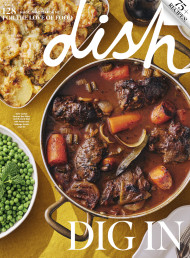
This winter issue of dish is about comfort and connection. Celebrating the best of New Zealand and Australian produce, it brings together recipes from some of our most-loved chefs, including Moroccan Chicken Soup, Mint-glazed Roasted Leg of Lamb, Slow Cooker Braised Red Wine and Miso White Chocolate Cheesecake. Find plenty to carry you through the colder months, from flaky sausage rolls and mushroom pie, to soul-soothing pasta, nostalgic baking, weekend market inspiration and dinner party menus. There’s a spotlight on the Outstanding Food Producer Awards, recipes from Caroline Griffiths’ Midnight Spaghetti, and a deep dive into the difference between Kiwi syrah and Aussie shiraz.